


Many businesses invest heavily in an initial website or app launch, pouring resources into design and development. Yet, for many, the “launch” marks the end of their UI/UX journey. This is a critical oversight. In today’s competitive landscape, merely attracting a customer isn't enough; the real game is about building lasting relationships, fostering loyalty, and turning one-time visitors into repeat business. UI/UX isn't a static project; it's a living strategy, a continuous process that, when approached correctly, becomes your silent partner in sustained growth and long-term customer value. At Ossiba, we see UI/UX not as a cost, but as an ongoing investment in your future revenue.
From First Impression to Lasting Relationship: The User Journey as a Growth Path
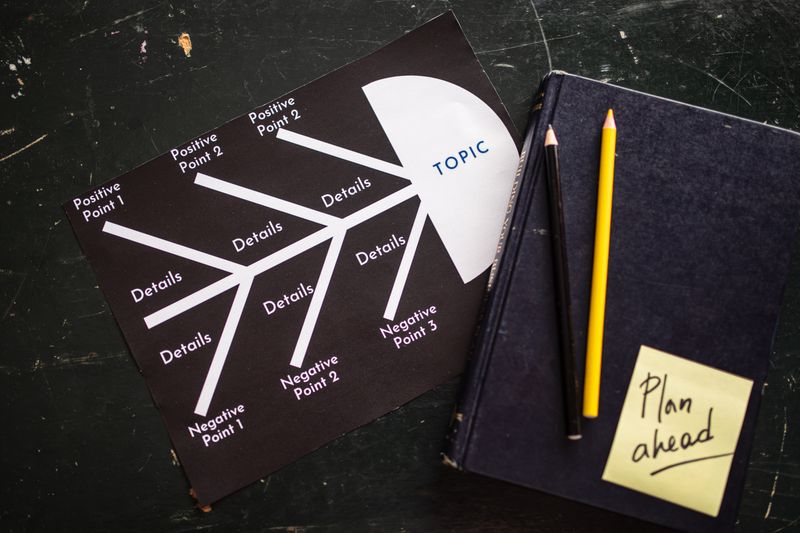
Your customer's journey doesn't end with a conversion; that's often just the beginning. Every interaction, every click, every moment spent on your platform contributes to an evolving narrative. Continuous UI/UX optimization means meticulously analyzing and refining each touchpoint, transforming potential points of friction into opportunities for engagement and trust.
Mapping the Emotional Landscape: Understanding User Needs Beyond the Sale
Think beyond the transaction. What happens after the purchase? How easily can a customer find support, track an order, or explore related products? Each of these post-conversion touchpoints is an opportunity to reinforce a positive experience. A poorly designed post-purchase flow, confusing account management, or a frustrating support interface can quickly erode the goodwill built during the initial sale. Here's the real challenge: understanding the emotional state of your users at different stages – from excited buyer to potential problem-solver – and designing accordingly. Negative post-purchase experiences quickly spread through word-of-mouth or online reviews, directly impacting brand reputation and future sales prospects.
Practical Application Example: An e-commerce site redesigning its “My Orders” section to clearly show order status, expected delivery, and easy access to return/exchange options. This reduces customer support inquiries and builds confidence for future purchases, fostering repeat business.
Seamless Transitions: Reducing Friction in Every Interaction
Friction isn't always a glaring error; often, it’s a subtle annoyance that accumulates over time. Slow loading times, inconsistent navigation across devices, unintuitive form fields, or unclear calls to action can subtly push users away. Continuous optimization identifies these small snags before they become significant leaks in your user funnel. It involves constant testing, user feedback analysis, and iterative improvements to ensure the user experience is smooth, intuitive, and, most importantly, effortless. Adopting a mobile-first design thinking approach often helps address many friction points upfront, ensuring accessibility and usability from the smallest screen.
Ossiba's Take: Many businesses focus on the “wow” factor of a new design. While important, we believe the true measure of UI/UX excellence lies in its ability to fade into the background, allowing the user to achieve their goals without thinking about the interface itself. It should just work, reliably and consistently.
Beyond Clicks: Designing for Loyalty and Repeat Engagement
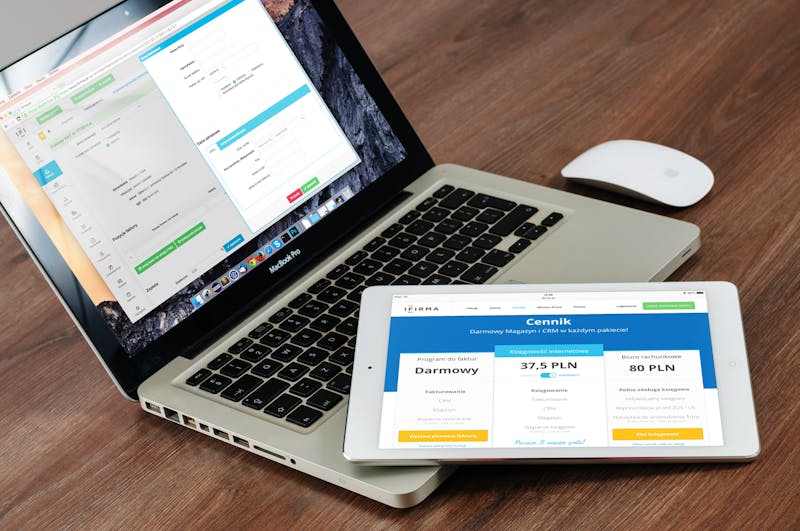
Customer loyalty is the bedrock of sustainable business growth. It's significantly cheaper to retain an existing customer than to acquire a new one. Strategic UI/UX plays a pivotal role in fostering this loyalty by creating experiences that are not only functional but also delightful, memorable, and personalized.
The Power of Consistent Experience Across Devices
In an era of multi-device usage, an inconsistent experience can be jarring. A user starting a task on their desktop might switch to their phone to complete it. If the mobile interface feels alien, clunky, or lacks features available on desktop, you're creating unnecessary frustration. Continuous UI/UX optimization ensures a fluid, responsive, and consistent brand experience across all platforms, reinforcing reliability and professionalism. This consistency builds trust and reduces cognitive load, which are key drivers of repeat business and increased customer lifetime value.
Personalization That Converts (Without Creeping Out Users)
Personalization, when done right, can significantly enhance user satisfaction and encourage repeat visits. This isn't about intrusive data collection but about offering relevant content, tailored product recommendations, or customized interfaces based on past behavior, geo-location, or stated preferences. A well-designed user dashboard that highlights features relevant to their usage or an e-commerce platform that subtly remembers their preferences can make users feel valued and understood. The trick is to empower users with choices and transparency, not to simply track them in secret.
Sık Yapılan Hatalar (Common Mistakes): Over-personalization that feels invasive, irrelevant recommendations based on poor data analysis, or a lack of user control over their preferences. The key is balance and offering clear value for the personalization provided.
Measuring the Unseen: Quantifying the ROI of Ongoing UI/UX
Investing in continuous UI/UX optimization isn't just about good design; it's about measurable business outcomes. The challenge is often in connecting these subtle design improvements to hard numbers. However, by tracking the right metrics and conducting regular analysis, you can demonstrate a clear return on investment.
Key Metrics Beyond Conversion Rate: LTV, Churn, Support Costs
While initial conversion rates are important, look deeper. How has your customer Lifetime Value (LTV) changed? Has your churn rate decreased due to improved user retention? Are your customer support inquiries for common issues declining because your interface is more intuitive and self-serving? These are direct indicators of effective UI/UX. For Ossiba, success isn't just about the initial sale; it's about the entire economic lifecycle of your customer. Small improvements in user flow, like a clearer FAQ section or an easier return process, can have a massive cumulative impact on these long-term metrics, directly boosting your bottom line.
A/B Testing and User Feedback: Your Continuous Improvement Engine
The only way to truly optimize is through data and direct user insights. A/B testing different design elements, navigation flows, or content layouts provides concrete evidence of what works best. Supplement this with qualitative data from user interviews, surveys, and usability testing. This feedback loop is your engine for continuous improvement, allowing you to make informed decisions rather than relying on assumptions or trends. This process reveals why users abandon carts, struggle with certain features, or don't engage with specific content, guiding targeted solutions and refining even micro-interactions for better usability.
What Ossiba Recommends: Integrating UI/UX into Your Business Strategy
UI/UX should not be an afterthought or a separate department's concern. It needs to be an integral part of your overarching business strategy, requiring cross-functional collaboration between marketing, sales, product development, and customer support. Regularly review user analytics, customer support tickets, and sales data through a UI/UX lens. Allocate dedicated resources for ongoing optimization, not just bug fixes. By embedding UI/UX into your strategic planning, you move beyond reactive problem-solving to proactive value creation, ensuring your digital presence continually evolves to meet and exceed customer expectations, driving both repeat business and robust long-term growth.
Conclusion:
Viewing UI/UX as a continuous optimization process transforms it from a mere design expense into a powerful, silent engine for repeat business and long-term value. It's about building relationships, reducing friction, fostering loyalty, and consistently delivering an experience that keeps customers coming back. At Ossiba, we believe this strategic, ongoing approach to UI/UX is not just a best practice—it's essential for any business aiming for sustainable success in the digital age.