


It’s a common scenario: A business decides it needs a new website. The brief focuses on aesthetics – a modern look, sleek design, and an intuitive user experience. Months later, the beautiful new site launches, yet the expected surge in leads, sales, or customer engagement never materializes. Why? Because the project treated the website as a digital brochure, not a strategic business asset.
At Ossiba, we believe a website is far more than just code and pixels. It’s an integral part of your business ecosystem, a powerful engine for growth when built with a clear purpose. The real challenge isn't just to build a website, but to build the right website – one that aligns perfectly with your business goals and delivers measurable outcomes.
This article will explain why a strategic business vision is non-negotiable for web development success and how focusing on it from day one can transform your website from a cost center into a profit generator.
The Core Problem: Aesthetics Over Assets

Many businesses fall into the trap of prioritizing form over function. They spend significant time and budget on design elements, color schemes, and animations, often neglecting the fundamental question: "What is the primary business objective of this website?"
Ossiba's Insight: A visually stunning website that doesn't convert, doesn't generate leads, or fails to streamline operations is essentially an expensive digital billboard. It might look good, but it won't move your business forward. Most businesses realize this too late, after the investment has been made and the ROI remains elusive.
Consider a local clinic. If their web development brief only states "we need a modern, clean website for our clinic," without defining clear goals like "increase online appointment bookings by 20%" or "reduce patient inquiry calls by providing clear FAQs and a self-service portal," the site, however beautiful, will likely miss its true potential. It's a common mistake that often gets mistaken for a design problem, but it’s actually a strategic one.
What a Strategic Business Vision for Your Website Actually Means
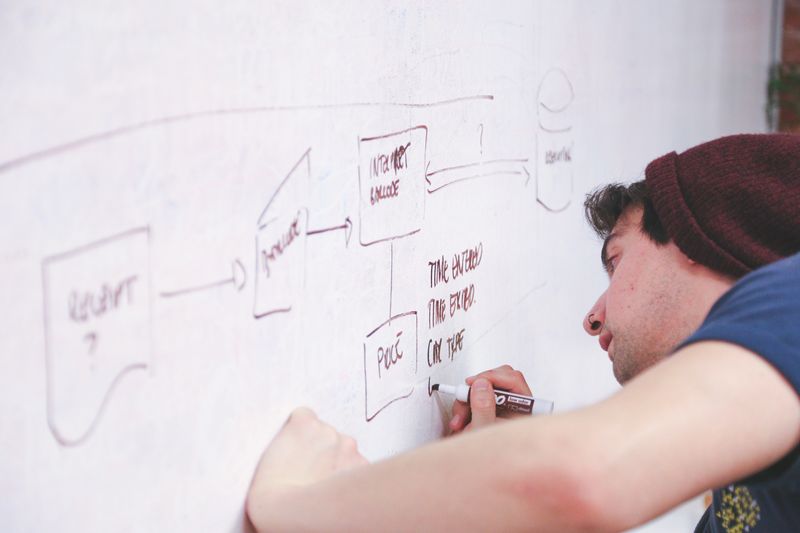
Developing a website with a strategic business vision means approaching the project not as a tech task, but as a core business initiative. It’s about defining:
-
Specific, Measurable Business Goals: Forget vague aspirations. What precisely do you want your website to achieve? Examples include generating X leads per month, increasing online sales by Y%, improving customer service efficiency, or reducing operational costs through automation.
-
Target Audience & Their Journey: Who are you trying to reach? What are their pain points, needs, and motivations? How will they interact with your website to find solutions? Understanding their journey allows you to tailor content, features, and calls to action.
-
Key Performance Indicators (KPIs): How will you objectively measure the website's success? Beyond traffic numbers, focus on conversion rates (e.g., form submissions, purchases, sign-ups), average time on key pages, lead quality, and customer retention metrics. These are the true indicators of value.
-
Integration with Business Processes: How will your website connect with your existing CRM, sales funnels, customer support systems, or inventory management? A truly strategic website seamlessly integrates into your operational workflow, enhancing efficiency across the board.
Example Scenario: An e-commerce brand considering a new website project. Instead of a generic request like "we need a new e-commerce platform," a strategic vision dictates: "We need a platform designed to reduce cart abandonment by 15% through a streamlined checkout process, increase average order value by 10% via personalized product recommendations, and enhance customer loyalty with an integrated loyalty program." This level of detail transforms the project from a design task into a revenue-driving initiative.
Common Pitfalls When Business Vision is Missing
A lack of strategic foresight in web development often leads to a cascade of problems that undermine its effectiveness and ROI.
-
Feature Creep and Budget Overruns: Without clear goals, new features are often added ad-hoc, leading to inflated costs and extended timelines, often without a clear return on investment.
-
Generic User Experience: If you don't know your audience's specific needs, your website will deliver a one-size-fits-all experience that resonates with no one, failing to guide visitors toward conversion.
-
Poor SEO Performance: A website built without a content strategy tied to business objectives often struggles with organic visibility. Key phrases that potential customers search for are overlooked, leading to missed opportunities.
-
Inability to Scale: A site not built with future growth in mind can quickly become outdated or unable to handle increased traffic or new functionalities, requiring costly reworks.
-
No Clear Call to Action (CTA): Visitors land on your site, but without clear, strategically placed CTAs, they don't know what to do next, leading to high bounce rates and lost conversions.
Ossiba's Perspective: These aren't merely technical glitches; they are direct consequences of not approaching web development with a robust strategic business vision. Small details often overlooked during the planning phase can make a significant difference in conversion rates and overall business impact.
Building Your Strategic Web Development Roadmap: A Checklist
To ensure your next web development project is a true growth engine, follow this roadmap:
-
Define Your “Why” Before Your “What”: Clearly articulate the core business problem or opportunity your website will address.
-
Identify 3-5 Measurable Business Goals: Quantify your aspirations for the website’s impact on leads, sales, efficiency, or customer satisfaction.
-
Map Out Your Ideal Customer’s Journey: Understand their needs, questions, and desired actions on your site. This guides your UI/UX and content strategy.
-
Outline Essential Functionalities: Focus on features that directly support your defined business goals, avoiding unnecessary complexity.
-
Plan for Content That Educates and Converts: Develop a content strategy that addresses user intent and guides them through the sales funnel.
-
Consider Future Scalability and Maintenance: Discuss long-term adaptability and support needs from the project's outset.
-
Choose a Development Partner Who Speaks “Business Outcomes”: Work with an agency that prioritizes your strategic objectives, not just technical execution.
Conclusion: Your Website as a Growth Engine
Your website is one of your most valuable digital assets, a powerful investment in your business's future. It should not be seen as a one-off expense or a mere online presence, but rather as a dynamic tool that actively contributes to your bottom line.
At Ossiba, our approach to web development is rooted in understanding your business vision first. We don't just build websites; we craft strategic digital experiences designed to solve your specific challenges, engage your target audience, and drive tangible, measurable results. Let's move beyond the brochure and build a website that truly fuels your growth.