


Many businesses view UI/UX design as a necessary aesthetic upgrade or, at worst, an unavoidable expense. They focus on the visual 'wow' factor, yet struggle to connect these efforts directly to their bottom line. Here's where the real challenge lies: a truly impactful UI/UX isn't just about looking good; it's about solving user problems, streamlining journeys, and ultimately, driving measurable business results. At Ossiba, we believe design isn't a cost center, but a powerful growth engine. The question isn't if you need great UI/UX, but how it contributes directly to your profit.
Beyond Aesthetics: Why 'Good Design' Needs to Drive Business Outcomes
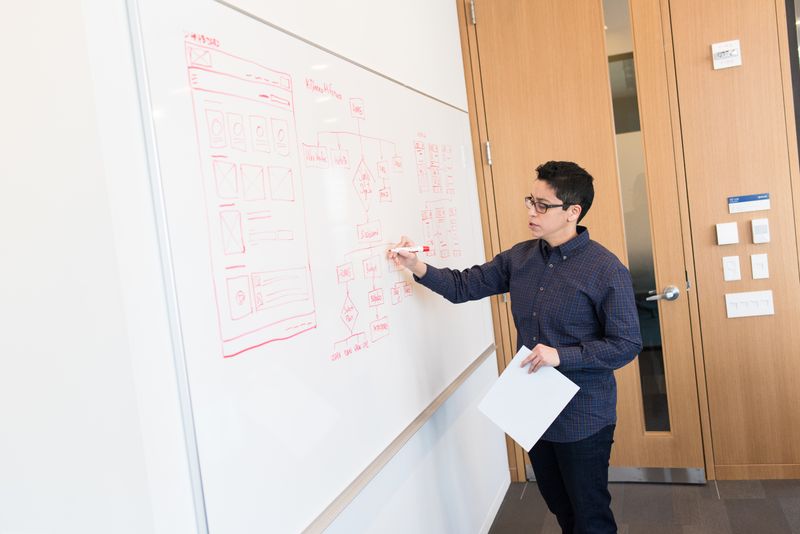
"Good design" is subjective. What looks elegant to one person might be confusing to another. For businesses, the definition of good design must extend far beyond visual appeal. It needs to be purposeful, conversion-driven, and meticulously crafted to guide users toward desired actions.
Most businesses overlook this crucial point early on. They invest in a beautiful interface, only to find it doesn't move the needle on sales, leads, or user retention. This is often because the design process wasn't anchored in clear business objectives and user psychology from the outset. For Ossiba, what matters here isn't just aesthetics, but results. Strategic UI/UX is about understanding your users' needs, your business goals, and then designing an experience that bridges the gap, turning passive visitors into active customers.
Ossiba’s Yorumu
We often see companies chasing the latest design trends, prioritizing 'cool' over 'conversion'. But a stunning interface that confuses users or makes them work harder is a liability, not an asset. Our approach is to ensure every design choice serves a strategic purpose, directly contributing to your business's growth metrics. It's about engineering experiences that not only look great but also perform exceptionally.
Key Metrics: How Strategic UI/UX Directly Drives Your Bottom Line

The real power of strategic UI/UX lies in its quantifiable impact on your business. When design is approached with a results-first mindset, it can dramatically influence a range of critical metrics.
1. Boosting Conversion Rates: This is perhaps the most direct impact. An optimized user journey, clear calls-to-action, intuitive forms, and reduced friction points directly lead to more sales, sign-ups, or inquiries. This seemingly minor detail can make a significant difference in conversions. Think about a simplified e-commerce checkout flow: by removing unnecessary steps, offering guest checkout, and providing clear progress indicators, you significantly reduce cart abandonment.
2. Enhancing User Retention and Engagement: Loyal customers are invaluable. Strategic UI/UX fosters an experience that keeps users coming back. This includes personalized dashboards, easy navigation, relevant content delivery, and seamless cross-device compatibility. An application with a clear, engaging onboarding process and consistent user experience across features will naturally see higher daily active users and lower churn rates.
3. Reducing Customer Support Costs: When users find an interface confusing or encounter frequent errors, they turn to customer support. A well-designed UI/UX anticipates user needs, provides clear instructions, offers helpful error messages, and integrates self-service options. This minimizes frustration, reduces support tickets, and frees up your team to focus on more complex issues, thereby cutting operational costs.
4. Strengthening Brand Perception and Trust: In today's crowded digital landscape, a professional, consistent, and user-friendly interface is a hallmark of credibility. It communicates competence, reliability, and attention to detail. This builds trust, encourages repeat business, and differentiates your brand from competitors who might offer similar services but with a frustrating user experience.
Pratik Uygulama Örneği
Consider an online service struggling with form completion rates. A practical UI/UX intervention might involve A/B testing: changing the layout from a single long form to a multi-step wizard, adding progress indicators, simplifying field labels, and providing real-time validation. This isn't just a design tweak; it's a strategic move that, when measured, can show a direct increase in lead generation or sign-ups, offering a clear ROI on the design investment.
Your UI/UX Investment: From Expense to Strategic Asset
Shifting the perception of UI/UX from an expense to a strategic asset requires a deliberate, data-driven approach. It means integrating user research, iterative design, and continuous testing into your business strategy.
Investing in strategic UI/UX isn't a one-off project; it's an ongoing commitment to understanding your users and optimizing their journey. This includes:
Bu Konuda Ne Yapmalısınız?
To transform your UI/UX from a cost into a core growth engine, start by defining clear, measurable business goals for your design projects. Seek out an agency that prioritizes outcomes, leverages data, and views your project as a strategic partnership. Don't settle for just a beautiful interface; demand one that is engineered for results, tracked by metrics, and continuously improved to maximize your return on investment.
Conclusion
In the digital age, a well-crafted UI/UX is no longer a luxury; it's a fundamental competitive advantage. It's the silent salesperson, the efficient customer support agent, and the loyal brand advocate all rolled into one. By focusing on the measurable impact – from increased conversion rates and user retention to reduced support costs and enhanced brand trust – businesses can clearly quantify the ROI of strategic UI/UX design. It's time to move beyond pixels and start leveraging design to drive tangible profit and sustainable growth for your business. Ready to transform your UI/UX from a cost to a core growth engine? Ossiba helps you build experiences that not only captivate but also convert.