


Many businesses, in an earnest attempt to offer everything to everyone, end up creating digital interfaces that overwhelm rather than engage. The impulse to add “just one more feature” or “a bit more information” often backfires, turning a potential customer journey into a confusing maze. Yet, some of the most successful digital products and brands thrive on a different philosophy: less is often significantly more. It’s not just about aesthetics; it’s a strategic choice that fundamentally impacts how your brand is perceived, how easily users navigate, and ultimately, your conversion rates.
The Hidden Cost of Clutter: When "More" Becomes "Less" for Your Business
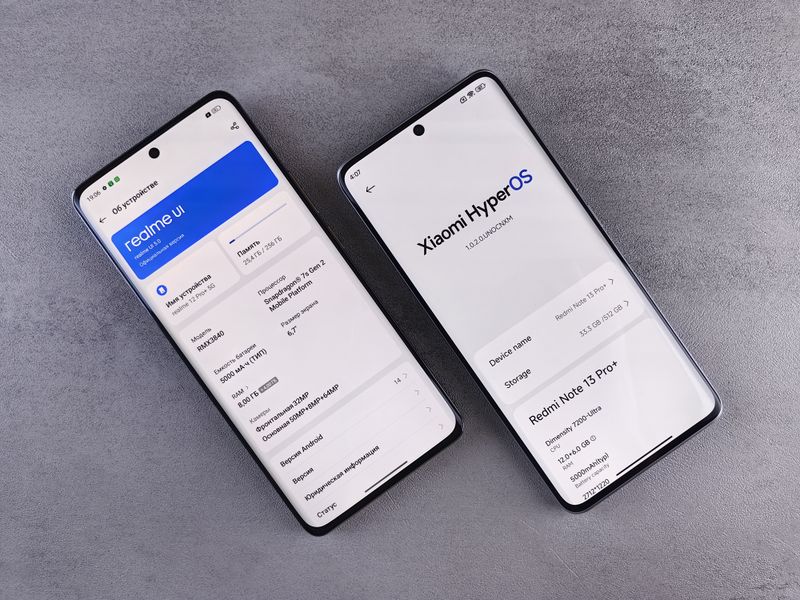
It’s a common paradox in the digital realm: the more features you offer, or the more information you pack onto a single screen, the less effective your platform can become. This isn't just a design preference; it’s a direct business challenge. When users encounter an overly complex interface, they suffer from what’s known as "decision fatigue." Faced with too many choices, the easiest choice becomes making no choice at all—they simply leave. This translates directly into lost opportunities and diminished engagement.
Beyond immediate user abandonment, visual and functional clutter dilutes your brand message. A chaotic interface projects a chaotic, unfocused brand. If users struggle to find what they need or understand your core value proposition, their perception of your brand’s professionalism and trustworthiness inevitably takes a hit. The cost here isn't just a lost sale; it's a damaged reputation and a significant barrier to building long-term customer relationships.
Practical Application Example: The Overloaded E-commerce Store
Imagine an e-commerce website that bombards you with pop-ups, has an overly intricate navigation menu with endless sub-categories, and features product pages crammed with every conceivable detail and widget. While the intention might be to provide comprehensive options, the reality is often overwhelming. A user simply trying to find a blue shirt might get lost amidst filters, related products, special offers, and social share buttons. This common mistake often looks like a design problem, but Ossiba sees it as a fundamental strategy problem. Every element on your screen should have a purpose that serves the user and your business goals, not just exist because it could.
Beyond Aesthetics: How Minimalist UI/UX Builds Trust and Focus
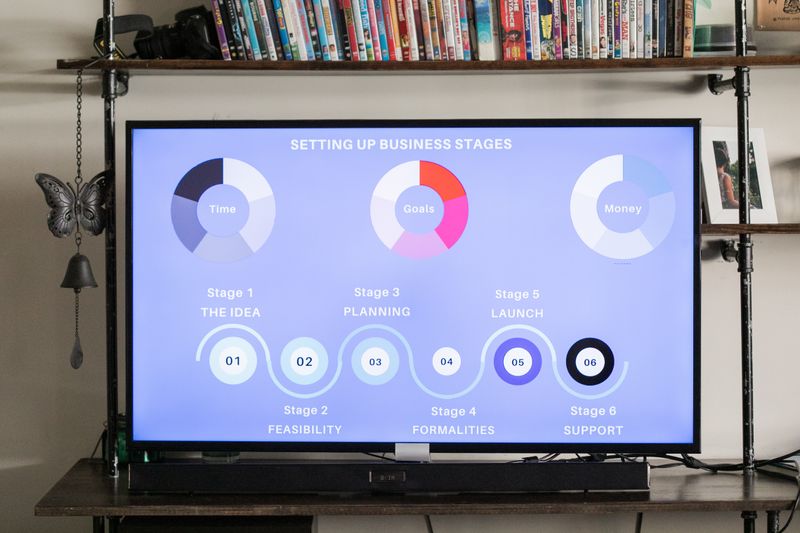
Minimalism in UI/UX is far more than a trend; it's a powerful strategic tool that can profoundly influence user behavior and brand perception. A clean, uncluttered interface acts as a clear trust signal. When users can easily understand, navigate, and interact with your digital platform, it conveys professionalism, efficiency, and a deep understanding of their needs. This inherent clarity builds confidence, making users more likely to engage and convert.
Clarity as a Strategic Advantage
Consider how a minimalist design guides the user journey. By stripping away distractions, it naturally highlights the most important calls to action and directs users towards your primary conversion goals, whether that’s making a purchase, signing up for a service, or filling out a contact form. This focused approach reduces cognitive load and makes the user's path to value effortless and intuitive.
Furthermore, a sleek and uncluttered interface communicates a modern, confident, and premium brand image. It suggests that your brand values the user's time and intellect, reinforcing a sense of quality and reliability. In today's multi-device world, minimalist principles are also inherently mobile-friendly. Simplicity translates seamlessly to smaller screens, ensuring a consistent and high-quality experience across all platforms, which is crucial for retaining user engagement.
Ossiba's Blueprint for Simplicity: Implementing Minimalist UI/UX for Tangible Results
Adopting a minimalist approach to your UI/UX doesn't mean sacrificing functionality or personality; it means being intentional and strategic about every element. At Ossiba, we believe it’s about amplifying your core message and streamlining the user's path to value, leading to tangible business results.
Here’s how businesses can implement this blueprint:
A/B Test Your Reductions: Don't assume removal automatically improves things. Test the impact of simplifying elements or removing features. Sometimes, removing a distracting element can significantly increase* engagement with the core offering, proving that less truly can be more.
For Ossiba, minimalist UI/UX isn't about stripping away personality; it's about amplifying your core message and streamlining the user's path to value. It's a strategic investment in clarity that pays dividends in both brand perception and bottom-line results.
Conclusion
In a digital landscape awash with noise, the power of simplicity in UI/UX is often underestimated. It’s a deliberate strategic choice that fosters trust, enhances brand clarity, and efficiently guides users toward your business goals. By embracing a minimalist approach, you don't just create a beautiful interface; you build a more effective, memorable, and conversion-driven digital experience that truly stands out. It’s about crafting an experience where every element has a purpose, every interaction is intuitive, and your brand's message resonates with crystal clarity, turning casual visitors into loyal customers.