


You’ve invested in eye-catching Google and Meta Ads, meticulously targeted your audience, and watched the clicks roll in. Yet, when you check your analytics, the conversion numbers tell a different, often frustrating, story. Many businesses find themselves in this exact scenario, pouring money into ads only to see minimal return. The clicks are there, the interest is piquering, so what’s going wrong?
Here at Ossiba, we often find the answer lies not in the ad itself, but in the critical moment after the click: the landing page. Your landing page isn't just a destination; it's the ultimate test of your ad's effectiveness and your brand's ability to convert interest into action. If it fails, all your ad budget might as well be thrown out the window.
Beyond the Click: Why Your Landing Page is Your Ads' True Test
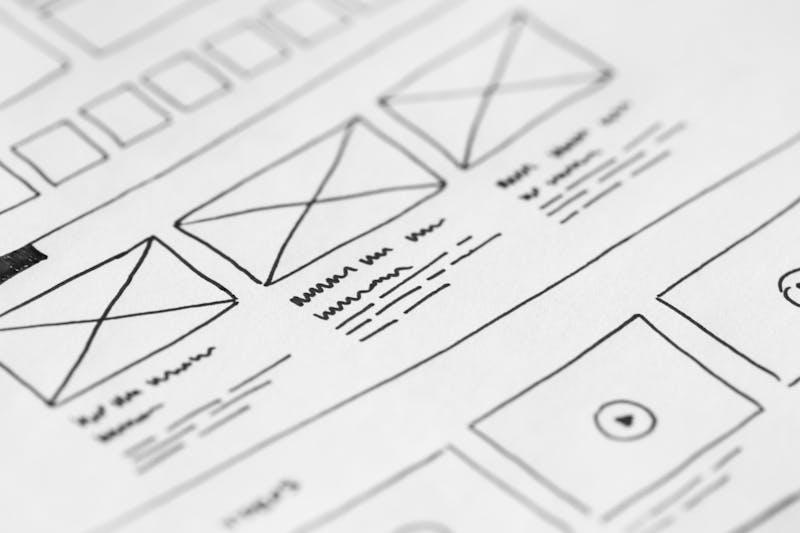
Think of your ad as the charismatic salesperson drawing a crowd, and your landing page as the expertly designed showroom. The salesperson gets people through the door, but the showroom closes the deal. If your showroom is cluttered, confusing, or doesn't deliver on the promises made by the salesperson, those potential customers will walk right out.
Most businesses make the mistake of sending ad traffic to their generic homepage. While homepages are essential, they're built for broad exploration, not for converting a specific ad intent. An ad, by its nature, promises something specific – a solution, an offer, a product. When a user clicks, they expect an immediate, tailored follow-up to that promise. This is the “expectation gap” we constantly observe. A mismatch here is a conversion killer.
The Ossiba Perspective: Your Landing Page is an Extension of Your Ad
From Ossiba’s perspective, your landing page isn't a separate entity; it's the natural continuation of your ad. It should pick up exactly where your ad left off, reinforcing the message and guiding the user seamlessly towards the desired action. Anything less creates friction, confusion, and ultimately, lost conversions.
Ossiba's Blueprint for a High-Converting Landing Page
Building a landing page that truly converts requires a strategic approach, blending persuasive design with crystal-clear communication. Here’s how we break it down:
Clarity and Congruence: The Ad-Page Match
- Message Consistency: The headline, offer, and visuals on your landing page must directly align with those in your ad. If your ad promises “50% Off Summer Collection,” your landing page headline shouldn't be “Welcome to Our Store.”
- Single, Focused Call to Action (CTA): Don't overwhelm visitors with multiple choices. Your landing page should have one primary goal (e.g., “Buy Now,” “Get a Quote,” “Download Ebook”) and one clear button to achieve it.
- Above the Fold Value: Ensure your core message, unique selling proposition, and primary CTA are immediately visible without scrolling.
User Experience (UX) First: Guiding Your Visitor
A great user experience makes the conversion process feel effortless, almost inevitable.
- Simple Navigation, Intuitive Flow: Ideally, a landing page should have minimal external navigation. Keep the user focused on the conversion path. Reduce any elements that could distract them from the main goal.
- Speed and Mobile Responsiveness: This is non-negotiable. Slow loading times, especially on mobile, are critical deal-breakers and negatively impact your ad quality score. Your page must be flawlessly functional and visually appealing on all devices.
- Minimal Distractions: Remove pop-ups, excessive links, or anything that doesn't contribute directly to the conversion.
Ossiba's Insight: Here's the real issue: many businesses see a landing page as just another web page to fill. But it's a dedicated sales tool. The goal isn't to educate broadly, it's to convert specifically. Reducing cognitive load – making it incredibly easy for the user to understand and act – is paramount.
Trust and Credibility: Building Confidence Instantly
Visitors arriving from an ad might not know your brand well. Your landing page needs to build trust quickly.
- Social Proof: Include concise, impactful testimonials, customer reviews, logos of reputable clients, or trust badges. People trust what others endorse.
- Clear Value Proposition: Clearly articulate the benefit the user will gain by converting. Why should they choose you?
- Security Indicators: Display SSL certificates, privacy policy links, or payment security logos (if applicable) to reassure users about data safety.
Common Landing Page Mistakes That Waste Ad Spend
Understanding what to do is crucial, but knowing what to avoid can save you significant budget and frustration.
The "More is More" Fallacy
Overloading your landing page with too much text, too many images, or too many different offers actually paralyzes the user. A confused mind never buys. Keep it concise, relevant, and focused on the single goal.
Ignoring Mobile Experience
It's 2024. A huge percentage of ad clicks come from mobile devices. If your landing page isn't responsive, fast-loading, and easy to navigate on a smartphone, you're essentially telling half your potential customers to leave. This isn't just an aesthetic problem; it's a fundamental strategic flaw that directly impacts your mobile user experience and conversion rates.
Disconnected Messaging
Imagine clicking an ad for a "Free Consultation on SEO Strategy" and landing on a page that talks about "Our Comprehensive Digital Marketing Services." This immediately creates distrust and makes the user question if they're in the right place. Your landing page must be a direct continuation of your ad's promise.
Practical Application Example: A local dental clinic runs a Meta Ad promoting "Teeth Whitening Special: £99 for New Patients." The landing page should prominently feature that exact offer, a compelling image of bright smiles, a short form for booking, and perhaps a few testimonials about the clinic's gentle approach. It shouldn't be cluttered with information about root canals or general dentistry services.
What You Should Do Next?
Your Google and Meta Ads are powerful tools, but their full potential is unlocked only when paired with equally powerful landing pages. If your ads are underperforming, don't just tinker with the targeting or bid. Take a critical look at where your visitors are landing.
At Ossiba, we don't just build websites; we craft digital experiences designed for conversion. We understand that effective landing page optimization is a blend of persuasive copywriting, intuitive UI/UX design, and robust technical performance. It’s about creating a seamless journey from a compelling ad to a confident conversion.
Ready to turn your ad clicks into actual customers? It’s time to optimize that crucial last step.