


Many businesses meticulously craft blog posts, optimize them for search engines, and watch the traffic numbers climb. Yet, a common frustration persists: why aren't these page views translating into actual sales or qualified leads? It's easy to get lost in the pursuit of rankings, overlooking the fundamental purpose of content marketing – to drive business growth. At Ossiba, we believe content isn't just about being found; it's about being effective. It's about building bridges between your audience's questions and your solutions, guiding them seamlessly towards a purchasing decision.
The Disconnect: Why Your Content Isn't Converting
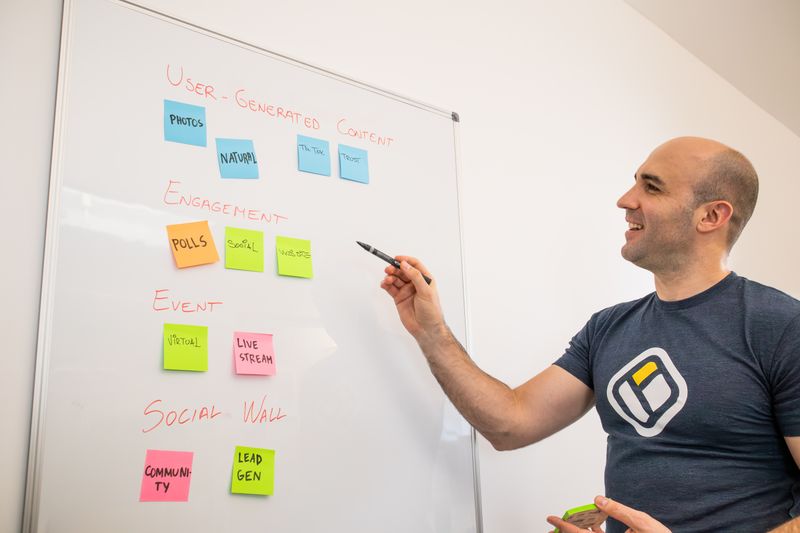
It's a familiar scenario: a high-ranking article about "digital marketing trends" brings in thousands of visitors, but your sales team still struggles to hit targets. The problem isn't necessarily the content quality or the SEO; it's often a fundamental disconnect between your content strategy and your commercial objectives. Many companies treat their blog as a separate entity, a place for generic information, rather than an integrated part of their sales funnel.
Misunderstanding User Intent: Beyond the Keyword
The biggest culprit behind this disconnect is often a superficial understanding of user intent. "Best SEO tools" might be a high-volume keyword, but are those searchers ready to buy your SEO service, or are they still in the research phase, looking for free alternatives? Google ranks content based on relevance to a query, but relevance alone doesn't guarantee a sale. We need to go deeper than the keyword; we need to understand the mindset behind the search. Is the user seeking information, comparison, a solution to a problem, or is their wallet open? This mistake generally appears as a content problem, but it's actually a strategy problem.
Content Silos vs. the Customer Journey
Another common pitfall is creating content in silos. A marketing team produces blog posts, a sales team handles inquiries, and never the twain shall meet. This fragmented approach neglects the natural progression of a customer's journey. Your audience doesn't jump from "What is X?" directly to "Buy now." They move through awareness, consideration, and decision stages, each requiring different types of content and a clear path forward. If your content doesn't acknowledge and guide them through these stages, they'll leave your site just as quickly as they arrived.
Building a Content Strategy with Commercial Intent

Moving beyond simply attracting eyeballs requires a deliberate shift in perspective. Your content should be a strategic asset, designed to nurture leads, answer objections, and ultimately drive conversions. This is where Ossiba's approach shines: we don't just write; we strategize.
Map Content to Your Sales Funnel Stages
The most effective content strategies are built around the customer journey:
- Awareness Stage (Top of Funnel): Focus on broad problems, questions, and "what is" topics. Here, the goal is to attract new audiences and establish authority. Example: "Why is My Website So Slow?" (leading to site speed optimization services).
- Consideration Stage (Middle of Funnel): Dive deeper into solutions, comparisons, and "how-to" guides. Help users evaluate options and understand your unique approach. Example: "Custom Web Development vs. Template Sites: Which is Right for Your Business?"
- Decision Stage (Bottom of Funnel): Provide persuasive content that addresses specific needs, showcases your expertise, and offers clear calls to action. Testimonials, case studies, pricing guides, and consultation offers belong here. Example: "How Ossiba Increased [Client Name]'s Conversions by 30% with a Strategic UI/UX Overhaul."
This granular mapping ensures every piece of content serves a purpose in guiding a potential client closer to you.
Weaving Calls to Action (CTAs) Naturally
Once you understand the customer journey, integrate natural, context-appropriate calls to action. A CTA isn't just a "Contact Us" button at the end. It's an invitation to take the next logical step. For awareness-stage content, a CTA might be "Download our free guide on X" or "Read more about Y." For consideration-stage content, it could be "Schedule a demo" or "Get a personalized quote." The key is to make it seamless, relevant, and not pushy.
Ossiba's Perspective: Beyond Keywords, Towards Solutions
At Ossiba, we see content as a conversation, not a monologue. Our priority isn't just to rank for a keyword; it's to solve a real problem for the reader. When we write about "web development mistakes," we don't just list them; we explain the impact on their business and offer actionable preventive measures. This not only builds trust but also implicitly positions Ossiba as a knowledgeable, empathetic partner. It's about demonstrating how we think and how we approach challenges, allowing potential clients to self-qualify.
Measuring What Matters: From Page Views to Pipeline
Traffic is a vanity metric if it doesn't lead to business growth. To truly understand your content's impact, you need to track metrics that directly relate to your sales funnel.
Key Metrics for Sales-Driven Content
Forget just page views. Focus on:
- Conversion Rate: How many visitors complete a desired action (download, inquiry, sign-up)?
- Lead Quality: Are the leads generated from content suitable for your sales team?
- Assisted Conversions: How often does your content play a role (even indirect) in a conversion path?
- Time on Page & Engagement: While not direct sales metrics, high engagement on bottom-funnel content can indicate strong intent.
- Revenue Attribution: The ultimate goal. Can you link specific content pieces or clusters to closed deals? This is where the real value becomes undeniable.
Iteration and Optimization: A Continuous Process
Content strategy isn't a one-and-done project. It's a living, breathing process. Regularly review your content's performance against your commercial goals.
- Which blog posts drive the most qualified leads?
- Which ones generate the most direct inquiries?
- Are there any gaps in your customer journey content?
- Can you update older, high-traffic posts with stronger CTAs or more current examples to guide users further down the funnel?
This continuous loop of analysis and refinement ensures your content portfolio is always working smarter, not just harder, for your business.
Conclusion
For your SEO content to truly serve your business, it must evolve beyond a simple traffic-generation tool. By deeply understanding user intent, mapping content to the customer journey, and integrating natural calls to action, you transform your blog from a cost center into a strategic growth engine. At Ossiba, we don't just write to rank; we write to convert, crafting content that resonates with your audience and delivers measurable business outcomes. Ready to make your content work harder for your sales?